Nocturnal

NS&I, the state-backed savings provider, has quietly become one of the best places to park your cash. Its latest British Savings Bonds are now paying up to 5.17%, putting the government-owned bank within touching distance of the very top of the best buy tables.
That’s a big deal because NS&I, officially National Savings & Investments, is backed by the Treasury and doesn’t usually have to fight for savers’ money the way challenger banks do. For it to be offering rates anywhere near the market leaders is unusual, and it’s why “NS&I” has been trending in UK searches this week.
The boost applies across NS&I’s Guaranteed Growth Bonds, which pay interest once a year, and Guaranteed Income Bonds, which pay monthly into your current account, according to analysis by Which?. Both products let savers put away anywhere between £500 and £1m.
There’s a catch worth knowing about: NS&I quotes some rates as “gross” and others as “AER” (annual equivalent rate). Because Income Bonds pay out monthly rather than compounding, the gross rate NS&I publishes for those is the more accurate reflection of what you’ll actually earn over the year, Which? notes.
It’s also a notable turnaround. NS&I had cut rates on several of its savings accounts only weeks earlier, before U-turning with this latest round of increases, according to MoneyWeek.
Why it matters
Fixed-rate savings generally are having a moment. Which?’s analysis of Moneyfacts data found the best one-year fixed-term account was paying 4.91% as of 5 August, with some deals topping 5% for longer terms. The Guardian reported that GB Bank, Shawbrook and Vanquis were all offering 5.25% on five-year fixed bonds, while GB Bank’s one-year bond paid 5.05% and Kent Reliance’s 13-month account offered 5.06%.
So while NS&I’s 5.17% is a strong rate, it still sits just below the very best deals from smaller challenger banks rather than leading the market outright.
This matters for the roughly 3.5 million savers whose fixed-rate deals are maturing this year. More than £116bn is tied up in fixed-rate savings set to mature by the end of 2026, according to analysis of CACI data commissioned by Skipton Building Society. Non-ISA accounts maturing between September and December are coming off an average rate of 4.53%, compared with a current average easy-access rate of just 2.42%.
Alex Sitaras, head of savings and partnerships at Skipton, warned that many providers automatically shift savers onto lower variable rates once a fixed term ends. “The difference between 4.5 per cent and 2.5 per cent might not sound dramatic, but for the average saver, it could mean losing hundreds of pounds a year,” he said.
What happens next
Whether now is the moment to lock in or hold out is a genuine dilemma. Rachel Springall of Moneyfacts has said she expects savings deals “to get even better”, though she cautions that nobody can say for certain which way rates will move in the months ahead.
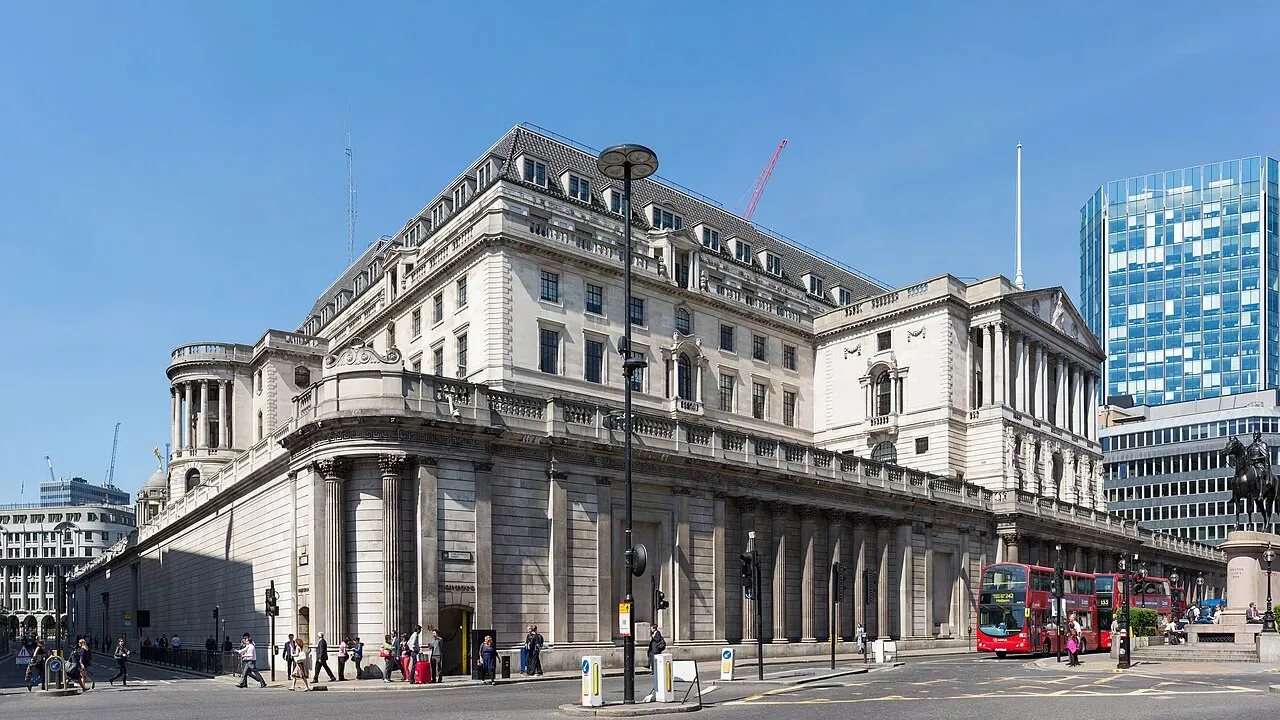
Much depends on the Bank of England, which has held its base rate at 3.75%. Some economists think a rise could still come this year or next, which would likely push savings rates higher still.
For now, NS&I’s 5.17% offer gives savers a government-backed alternative to the challenger banks currently leading the tables, though it’s still worth shopping around. With billions in fixed-rate savings set to mature in the coming months, experts are urging anyone whose deal is ending to compare rates rather than letting their money slip onto a lower variable rate by default.