Nocturnal

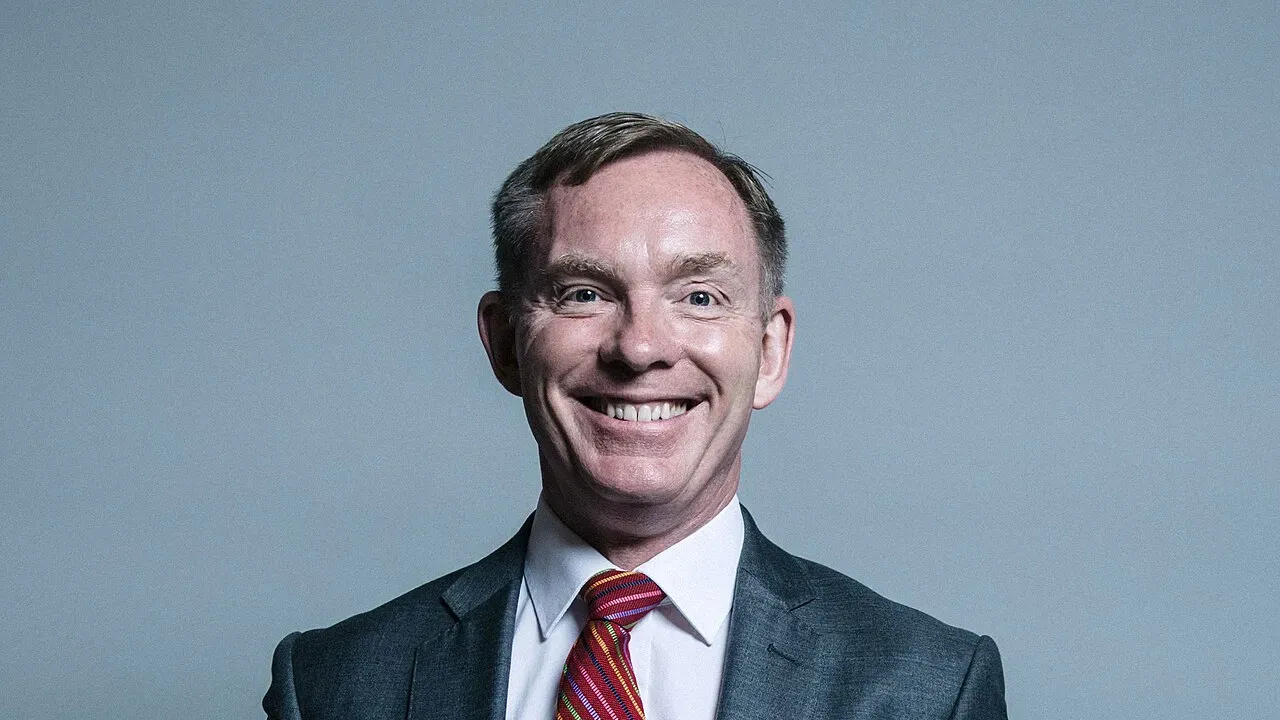
Two separate compromise deals were put on the table in a bid to resolve the Drumcree parade dispute before it was banned altogether, according to Northern Ireland Secretary Sir Chris Bryant.
Speaking to BBC Radio 4’s Today programme, Sir Chris said he believed negotiators had come “tantalisingly” close to an agreement between the Portadown District Lodge of the Orange Order and residents of the nationalist Garvaghy Road, but ultimately neither side signed off on either option.
The admission comes after Sir Chris formally banned the contentious Orange Order march on Friday night, bringing an end to a standoff that had gripped Portadown for almost two weeks.
The two deals on the table
According to Sir Chris, the first proposal was what people had dubbed “one done and dusted” – the Orangemen would be allowed to complete a single march along Garvaghy Road, on the understanding they would never apply to walk the route again.
The second option would have seen the lodge accept that it had technically won the right to march, following the Parades Commission’s ruling, but agree voluntarily not to exercise that right.
“I thought we were very close to an agreement, but unfortunately that was tantalisingly difficult to achieve,” Sir Chris said. Neither proposal secured agreement from both sides.
The dispute flared after the Parades Commission ruled on 27 September that 35 Orangemen, with no band and no supporters, could walk the route for the first time in 28 years, after police said they had no intelligence suggesting it would lead to disorder. That decision was challenged by residents at the High Court and then the Court of Appeal, which reserved judgment, while a mass protest on the road itself repeatedly blocked attempts by Orangemen to proceed.
Sir Chris said his eventual decision to ban the procession followed advice from PSNI Chief Constable Jon Boutcher, who wrote to him requesting intervention under the Public Processions (Northern Ireland) Act 1998. Boutcher warned that letting the parade go ahead “would carry an unacceptable risk of serious injury, disorder and a wider contagion effect” across Northern Ireland, according to the Guardian.
Reaction split largely along familiar lines. Sinn Féin president Mary Lou McDonald and the party’s Northern Ireland first minister Michelle O’Neill said in a joint statement that residents had “shown remarkable strength and dignity in the face of provocation and intimidation”, adding there would be “an enormous sense of relief” in the community. Breandán Mac Cionnaith of the Garvaghy Road Residents Coalition called the ban the only “sensible, reasonable and logical outcome”.
DUP leader Gavin Robinson was sharply critical, accusing Boutcher and Bryant of bowing to “republican agitation” and warning the move sent “profound signals that the country should be run on force of numbers and who shouts the loudest”. He said the rule of law had been “fundamentally undermined” and called on Sir Chris to explain how confidence would be restored.
Taoiseach Micheál Martin welcomed the decision as a “significant relief” for residents but urged caution on both sides, saying “this isn’t a time for triumphalism” and that unionist and loyalist communities would view the outcome “through a different prism”.
Why it matters
Drumcree was once one of the most bitter and violent flashpoints of the Troubles era, with stand-offs in the mid-to-late 1990s marked by riots, roadblocks and killings. For years it had faded from headlines, so the revival of tensions, and the prospect it could destabilise Stormont’s power-sharing arrangements, alarmed many observers.
Sir Chris said the Northern Ireland Executive had proved more resilient than some had feared during the standoff. For now, the parade remains banned and the Court of Appeal’s ruling on the earlier legal challenge is still pending, meaning the underlying dispute over the Parades Commission’s authority has not been fully settled.