Nocturnal

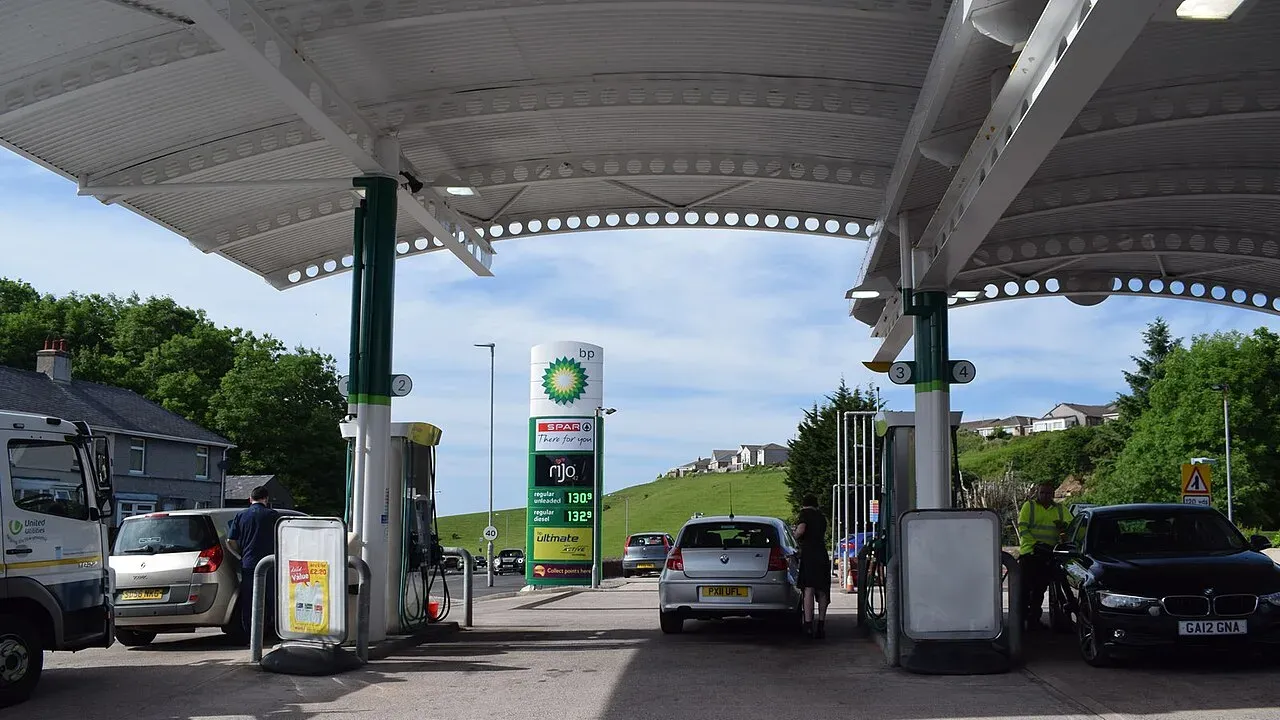
Millions of UK drivers can now see how much petrol and diesel costs at their local forecourt before they even leave the house, after Google Maps switched on a live fuel price tracker from Thursday.
Searching for a nearby petrol station in the app will now bring up its current pump prices alongside its location, using data pulled from the government’s Fuel Finder scheme. The feature is landing just as the average price of diesel has hit a record £2 a litre, having surged by more than 40% since late February.
It’s a big deal because Google Maps is used by 77% of Britain’s adult population for general navigation, according to Ofcom figures cited by the BBC. That gives the fuel tracker a far bigger potential reach than dedicated apps like Waze, PetrolPrices, the AA app, Confused.com and RAC Fuel Watch, which have offered similar tools for some time.
How the new feature works
Fuel Finder was launched in February following a 2023 recommendation from the Competition and Markets Authority (CMA), and UK forecourts are legally required to update their prices on the scheme within 30 minutes of any change. The platform now covers around 99% of forecourts.
Google says it won’t just lift the data wholesale. Sarah-Jayne Williams, director of product partnerships for Google Maps and Waze, said the company checks the figures independently and “you’ll only see a price if we have high confidence that it’s the right price.”
That caution appears well founded. Clare Lafferty of PetrolPrices, which already supplements the Fuel Finder feed with other sources, said some forecourts still haven’t registered with the scheme and others aren’t updating in time. Her company identified around 200 forecourts in September that it believed hadn’t updated their diesel prices within the required window.
The Petrol Retailers Association, which represents thousands of UK forecourts, said its members were complying with the rules.
Why it matters
Campaigners and motoring groups believe the move could genuinely shift behaviour at the pumps. AA president Edmund King called it “a massive step forward,” arguing that transparent pricing should reduce what he described as “rampant price-matching” between nearby stations and let cheaper forecourts stand out.
AA spokesperson Luke Bosdet went further, suggesting the launch could “signal trouble for the fuel trade” by exposing pricing tactics that keep local costs artificially high. The CMA warned retailers in August that many were still slow to pass on falls in wholesale diesel prices, calling these “passive pricing strategies” a drag on competition.
Energy consumers minister Polly Billington called the rollout “a gamechanger,” while the scheme’s backers say it could save households around £40 a year by helping drivers find the best local deal. According to the AA, filling an average 55-litre tank currently costs around £110 for diesel and £96 for petrol.
The announcement hasn’t gone down smoothly with everyone. Prime Minister Andy Burnham faced some backlash on social media, as reported by the Daily Express, after posting on X suggesting motorists simply use Google Maps to find cheaper fuel amid the price surge.
What happens next
The underlying cause of soaring pump prices — a global supply squeeze linked to the US-Israel war on Iran and Russia’s war on Ukraine — isn’t something an app can fix. The BBC reports diesel has fallen slightly, by around 2p, since topping £2 a litre, but prices remain historically high.
For now, the real test is accuracy and coverage. Apple Maps still doesn’t offer fuel prices at all, and Google has acknowledged it will hold back figures it isn’t confident in rather than display stale numbers. Whether the feature genuinely nudges forecourt prices down, or simply makes existing gaps between them more visible, should become clearer over the coming weeks.