Nocturnal

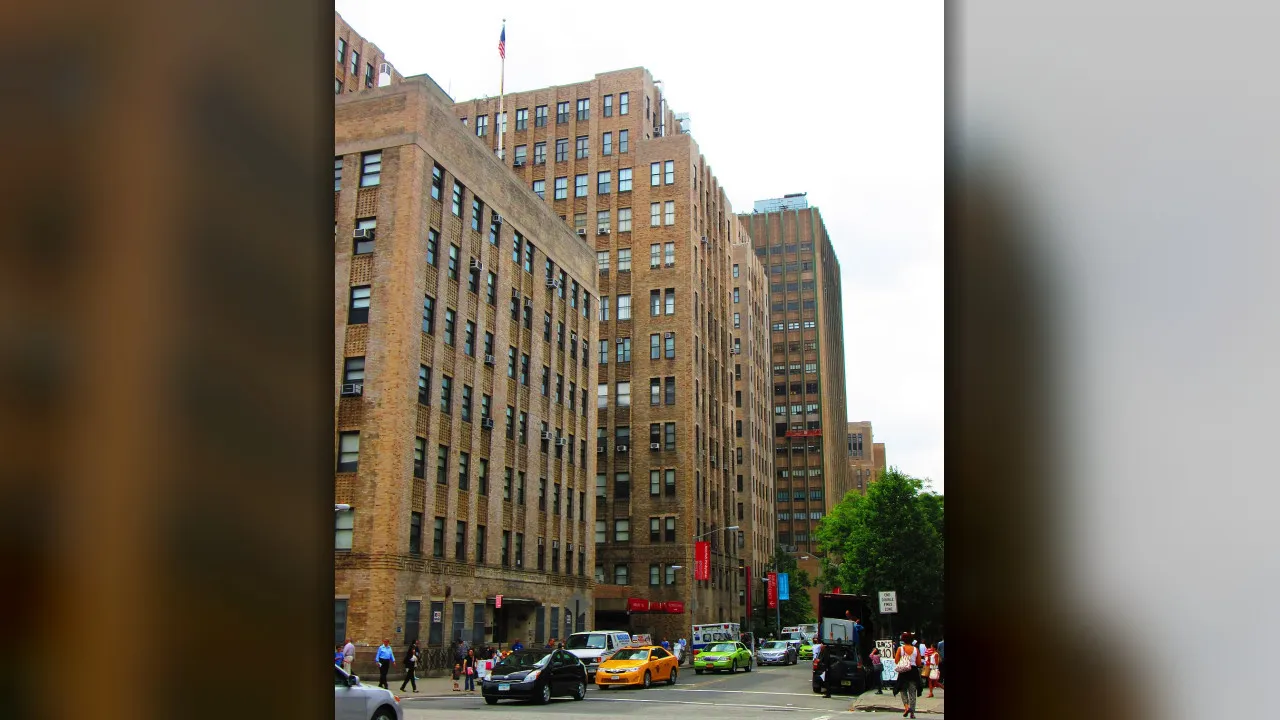
Christa Pike, 50, is understood to be the first prisoner in modern US history to survive a lethal injection, after Tennessee gave her two full doses of the sedative pentobarbital and she kept breathing anyway. She is now on life support at Vanderbilt University Medical Center, unconscious and in critical condition, while lawyers and legal experts argue over what happens next.
Pike was due to be executed at Riverbend Maximum Security Institution in Nashville on Wednesday 30 September. She was convicted of the 1995 murder of 19-year-old college classmate Colleen Slemmer and would have been the first woman executed in Tennessee in more than 200 years.
Witnesses, including an Associated Press reporter, said Pike appeared conscious minutes into the process, raised her head, smiled and complained that her arm hurt. She went on to make audible snoring sounds for roughly 40 minutes after the second dose of pentobarbital was administered, according to Mint’s account of the AP reporting.
Her attorney, Randy Spivey, told a press conference that it took around an hour just to establish IV lines, with at least seven needles used in her left arm, one of which came out bent. He said her right arm later turned purple and began blistering. Curtains were drawn across the execution chamber for roughly 25 minutes, reporters were ushered out, and an ambulance was confirmed outside the prison at around 9.14pm.
The drug at the centre of the row
Pentobarbital has been controversial for years as a lethal injection drug. US legal investigator Clive Stafford Smith, who has attended multiple executions, told Al Jazeera the most likely explanation for the failure was that the batch used was out of date, adding that this is something “we’ve been observing a lot for the last 10 years”. He also noted that pentobarbital is manufactured by drug companies to treat patients and save lives, and that many of those companies oppose it being used in executions.
Pike’s legal team said they had warned the courts nine months before the execution that her blood disorder would make it difficult to find a vein, raising the risk of exactly this kind of failure. A special master appointed by the Supreme Court dismissed those concerns, according to the attorneys. The Tennessee Department of Correction has said it followed protocol and that “the lethal injection chemical in the protocol has consistently been effective”.
Why it matters
Spivey said the botched execution amounted to “punishment greater than any other person in the history of the American death penalty” and argued it breached Pike’s Eighth Amendment protection against cruel and unusual punishment. Her legal team is now formally calling for her death sentence to be commuted.
Constitutional attorney David Raybin, who helped write Tennessee’s death penalty law, told Fox affiliate WZTV that the state cannot simply withdraw her life support to finish the job, because her sentence legally had to be carried out at the prison, not a hospital. “They can not ‘execute’ her at a hospital by removing her life support,” he said. He added that if Pike remains in a vegetative state, the cost of her ongoing care falls on the state, potentially running to “thousands of thousands of dollars”, because the failure to properly carry out the execution was the government’s own doing.
Raybin said any decision to end life support would likely need a judge’s sign-off. For now, Pike’s attorneys say they have not been able to see or speak to her, and are waiting to see whether she recovers enough to say what she wants to happen next.