Nocturnal

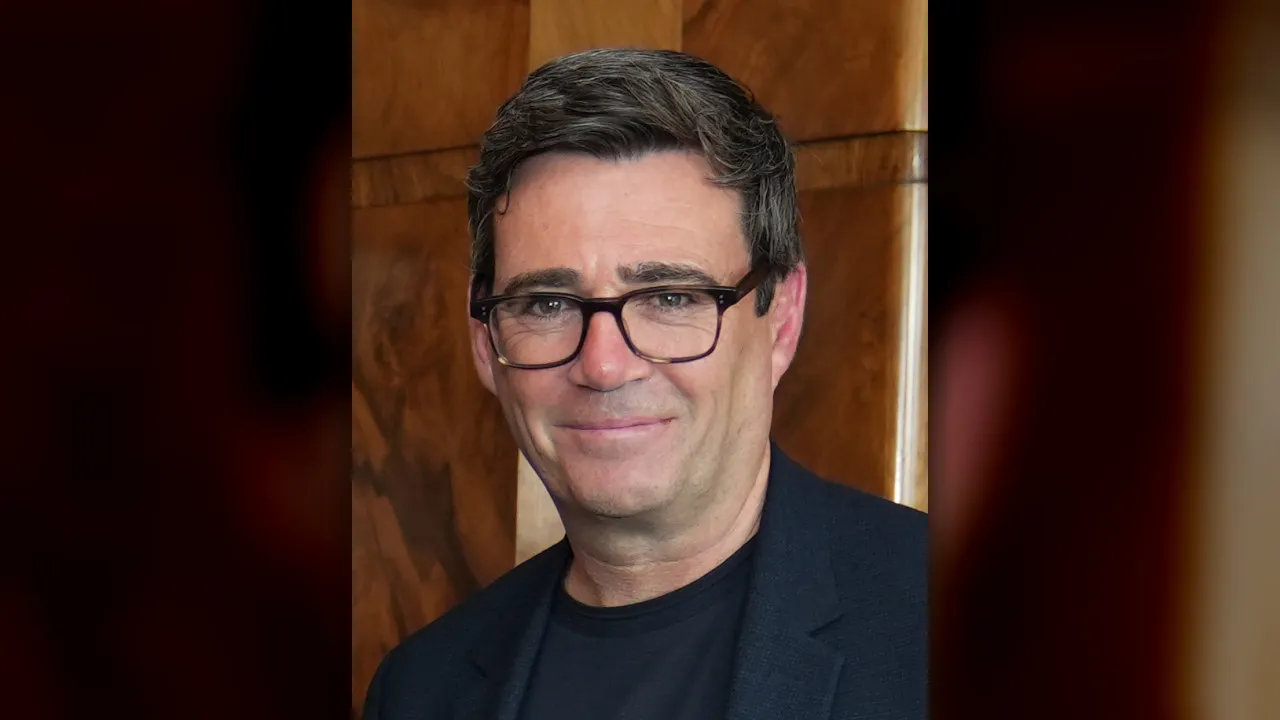
Andy Burnham has vowed to reform the state pension triple lock from 2030, insisting it’s the only way to fund a new National Care Service – and the Tories aren’t happy about it.
The Prime Minister made the pledge during his first conference speech as Labour leader, at the party’s conference in Liverpool. He confirmed the triple lock will stay exactly as it is for the rest of this Parliament, keeping Labour’s 2024 manifesto promise, before changing from April 2030.
Under the current system, the state pension rises every year in line with whichever is highest out of inflation, average wage growth, or 2.5%. Burnham’s “adjusted” version – dubbed a “double lock” by some outlets including The Sun – would still guarantee rises of at least inflation or 2.5%, but would only track average earnings over the longer term rather than year by year.
What did Burnham actually say?
Speaking to delegates, Burnham said: “From then, in April 2030, we will adjust it. The state pension will continue to rise every year at least by prices or 2.5%. And it will hold its value relative to earnings over time so that pensioners will always share in the rising prosperity of the nation.”
He admitted the move could cost him politically, telling conference: “Someone has to go through the pain barrier and rip the plaster off,” as reported by The London Economic.
Pressed by the BBC’s Nick Robinson on why pensioners were being targeted rather than the wealthiest, Burnham insisted the plan is “about helping pensioners” and would protect people “at risk of paying ruinous care costs”. He was also emotional at points during the speech, according to the BBC, including while paying tribute to his late father.
Tories and experts react
The reaction from the Conservatives was swift. Tory party chairman Kevin Hollinrake accused Burnham of “taking money out of the pocket of pensioners and using it elsewhere in the system”, with both the Conservatives and Reform UK restating their support for keeping the triple lock as it stands, according to Politics.co.uk.
Other critics reportedly went further, with some accusing the Prime Minister of “picking on pensioners” to only partly fund his care plans, according to LBC, which also reported warnings from opponents that Labour will still need to raise taxes elsewhere to cover the full cost.
Officials believe the reform could save £15billion a year by 2040 compared with keeping the current system, according to The Mirror. The Institute for Fiscal Studies gave it a cautious welcome, with deputy director Jonathan Cribb saying Burnham had “neutered the worst element of the triple lock” and ended its “unsustainable ratchet effect” – though he warned “better reforms were available” and the change “will not… be the answer to funding universal social care”.
Maike Currie, of PensionBee, also flagged uncertainty over the detail, saying: “Without official earnings figures in the annual uprating formula, we need to understand how that commitment will work in practice.”
Where things stand now
For now, nothing changes for pensioners until April 2030 – the current triple lock remains in place until then, as promised in Labour’s manifesto. The full new state pension currently stands at £241.30 a week, with 12million pensioners recently seeing a £575 boost after a 4.8% rise in April.
The row over whether the “adjusted” triple lock genuinely protects pensioners, or simply softens a cut, looks set to run right through to the next general election.