Nocturnal

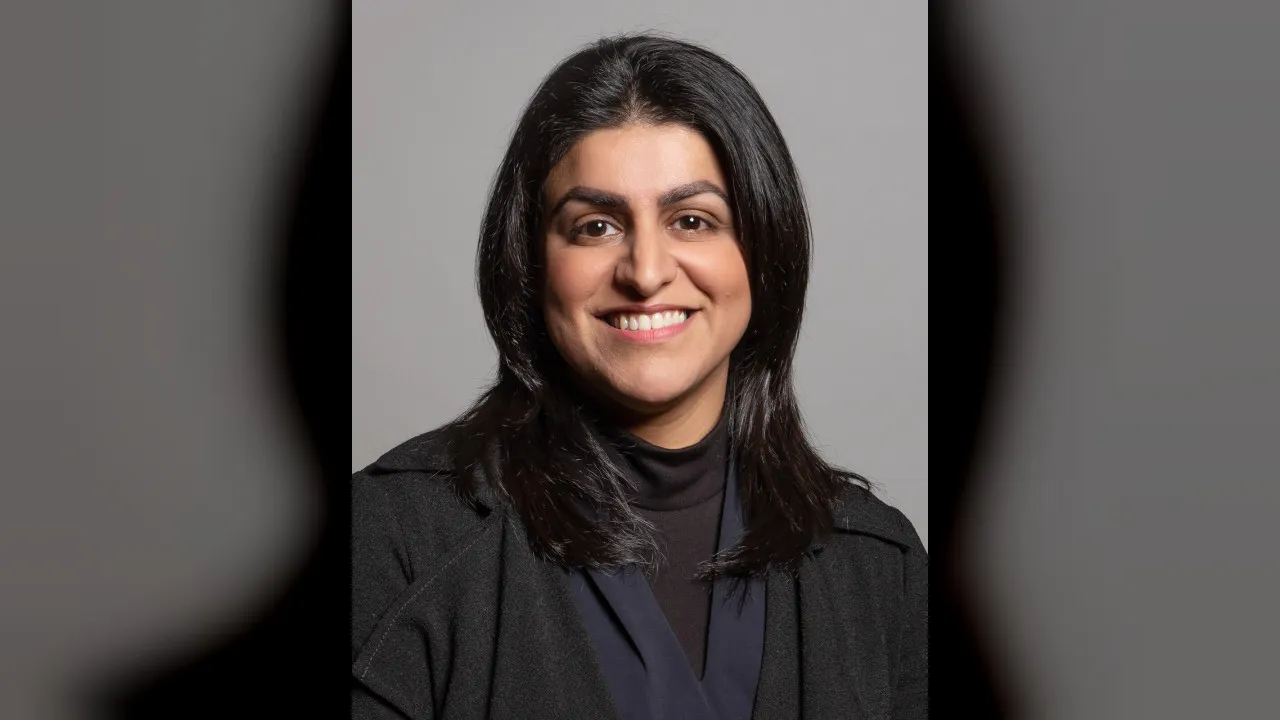
Shabana Mahmood has announced that the UK Resettlement Scheme will reopen immediately, with around a quarter of new arrivals expected to be Afghan women and girls and Palestinian refugees.
The Home Secretary revealed the move in her speech to the Labour Party conference in Liverpool on Monday, framing it as proof that “safe and legal” routes can work alongside a tougher crackdown on small boat crossings.
The UK Resettlement Scheme (UKRS) stopped taking new applicants in December 2024. Its reopening marks a shift after last year’s abrupt closure of the separate Afghan resettlement route, which had drawn criticism from refugee charities and some Labour MPs.
Who will be eligible
Hundreds of people are expected to arrive under the UKRS and three new sponsorship routes to begin with, according to the Home Office, with numbers potentially rising to the “low thousands” if illegal migration continues to fall. An annual cap will be set, though exact figures haven’t been published yet.
Most refugees will be referred through the UN’s refugee agency, UNHCR, while Palestinians will come via the International Refugee Assistance Project. Priority is also being given to people with disabilities and other vulnerable applicants, and family units will be able to relocate together — though the government’s tighter rules mean extended relatives remain excluded.
Everyone accepted will face identity, security, suitability and criminality checks before they’re allowed to travel, and will then go on a five-year path to permanent settlement. That’s notably more stable than the situation for people who arrive via irregular routes and are granted asylum, whose protection status will now be reviewed every 30 months for up to 20 years.
Two more routes are also in the pipeline. From October, charities and universities will be able to sponsor refugees through community and student schemes, with the first arrivals expected in autumn 2027. A separate employer-sponsored work route opens in spring 2027.
‘Capped and controlled’
Mahmood told delegates that “fairness” is central to her approach, insisting the UK can meet its “international obligations” while keeping the system under control.
“I also know this process must be capped and controlled, and communities must be ready and able to welcome those who come here,” she said, adding the plan would help “restore control to our borders, bear down on the small boat crossings, and unlock the inherent generosity of this country.”
More than 18,500 people have crossed the Channel in small boats so far this year, down from over 32,000 in the same period in 2025, according to the BBC.
Criticism from both sides
Conservative shadow home secretary Chris Philp accused Mahmood of making a “desperate attempt to appease” critics within her own party.
Reform UK leader Nigel Farage went further, saying the UK is “not obligated to take in more migrants” and claiming anyone arriving under the scheme “would not be able to stay” if his party were in power. He also referenced a Sunday Times report about a former bodyguard to a Hamas leader who was granted asylum and citizenship in the UK before being arrested over an alleged plot against Jewish people in Europe, and who now reportedly faces extradition to Germany.
Refugee charities, meanwhile, welcomed the announcement but warned it doesn’t go far enough. Jon Featonby of the Refugee Council said “the government has to show ambition and commitment, and that means thousands of places, not hundreds.” Migration Observatory director Madeleine Sumption said the scheme’s real-world impact will hinge entirely on how many people are actually let in.
For now, the scheme is open, the first arrivals are expected in the coming months, and the precise annual cap is still to be confirmed.