Nocturnal

Iran’s oil exports have practically dried up, and it’s starting to look like everyone’s problem. Loadings from Iran’s main export terminal, Kharg Island, have gone from 1.8 million barrels a day in March to effectively nothing in September, according to industry tracking cited by oilprice.com.
That matters because Iran was quietly one of the most important players in the global oil balance. After Syria’s government fell in December 2024, China became Iran’s only major buyer, taking in an average of 1.4 million barrels a day last year. Now that supply has vanished just as Chinese demand is picking back up, forcing refiners to hunt for pricier alternatives and tightening the market for everyone else.
A blockade and a rollercoaster of talks
The root of the squeeze is the war between the US and Israel against Iran, which began in late February. A US naval blockade announced on 13 April choked off Iranian shipments almost entirely, with only a brief reprieve in June and July under a temporary memorandum before exports slumped again in August and dried up in September.
The Strait of Hormuz, which normally carries around a fifth of the world’s oil and gas shipments, has been disrupted since the war began, though it’s reportedly still carrying a surprisingly strong 13 million barrels a day from other producers. Iran’s security chief, Mohsen Rezaei, said this week the strait won’t reopen until Tehran’s conditions, including the lifting of the US blockade, are met.
Oil prices have been lurching on every development. Brent crude spiked as high as $108 a barrel at the height of the conflict before tumbling 9% to below $88 when the US paused strikes, according to the Guardian. By 24 September, Brent had climbed back above $105 and WTI to around $94, as talks between Washington and Tehran showed little sign of progress, Reuters reported.
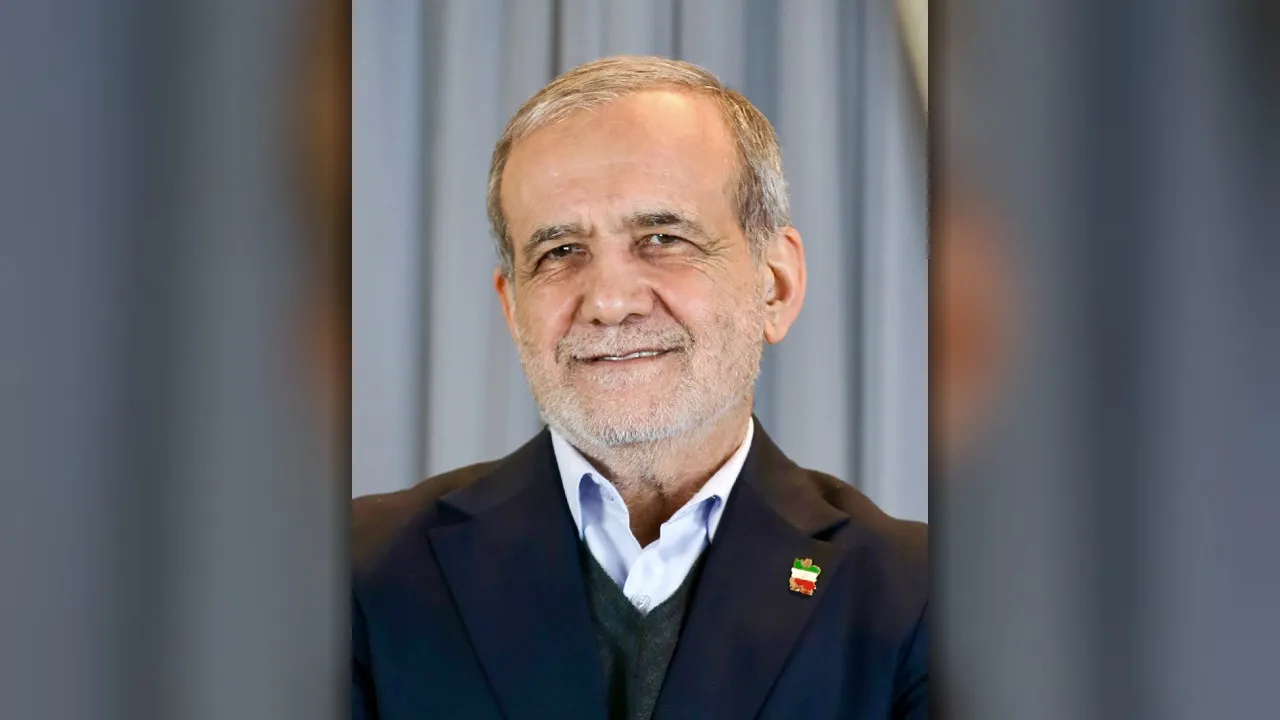
Iran’s President Masoud Pezeshkian told the UN General Assembly this week that Iran “would not surrender” to US pressure, while insisting Tehran remained open to diplomacy. A senior Iranian official said talks must continue and that Iran wants the naval blockade lifted and Hormuz reopened. US Secretary of State Marco Rubio said reaching a deal would “take time and hard work”, while Donald Trump warned he could take stronger military action if no agreement is reached.
Diesel fears and a cooling rally
Markets were also rattled by reports from Politico that the Trump administration was preparing a 90-day ban on US diesel exports, a claim the White House denied. US Energy Secretary Chris Wright said such a ban “would not work”, even though Trump said he would support one. Diesel futures still fell around 5% on the news.
By 29 September, the heat had come out of the rally somewhat, with Brent easing back towards $104 a barrel. Renewed, Pakistan-mediated talks and the restart of Saudi Arabia’s East-West pipeline, along with the first oil loadings from Yanbu, eased some supply fears, according to Yahoo Finance. But Trump’s comment that the US was “offering Iran nothing” cast doubt on whether those talks would go anywhere, and Houthi attacks on Saudi Arabia have kept the risk to Gulf supply very much alive.
Where things stand now
As it stands, Iranian oil remains largely trapped, China is still hunting for replacement barrels, and oil prices continue to swing on every scrap of news from the stalled negotiations. With Gulf Arab states reportedly postponing a planned meeting with Iran and fighting widening across the region, there’s no clear sign yet of when, or whether, Iranian crude will return to the market in force.