Nocturnal

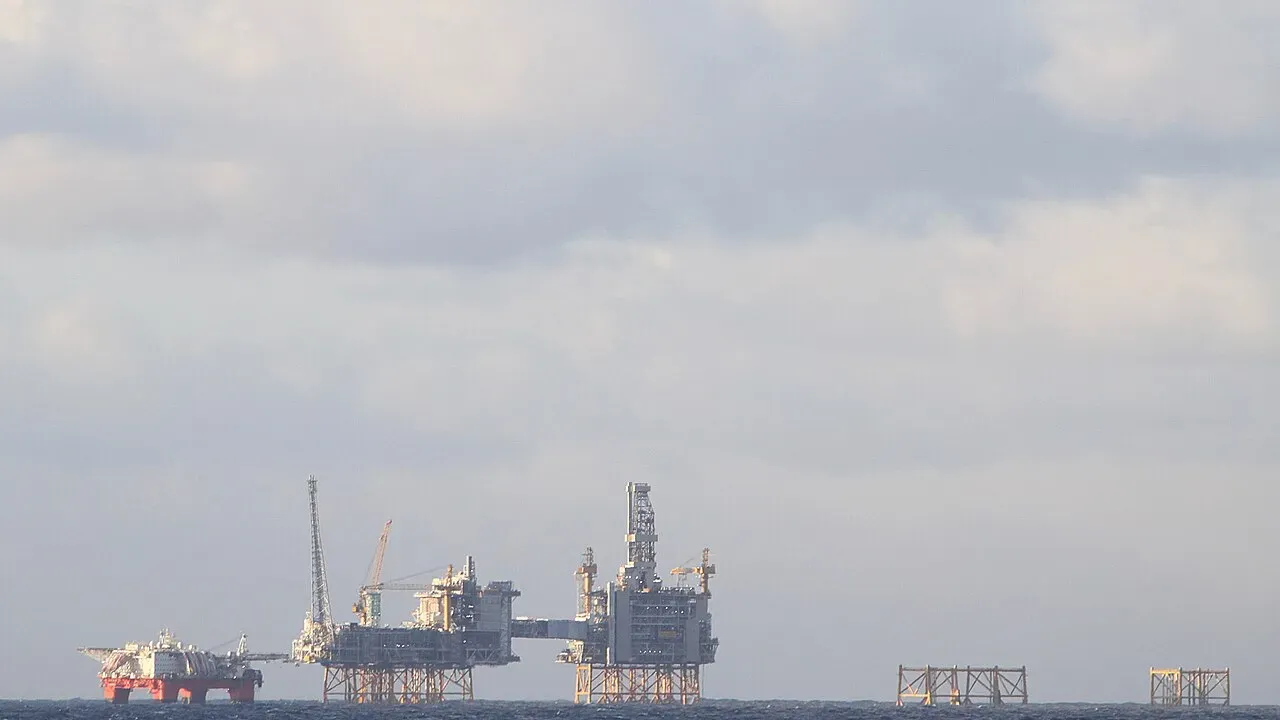
Equinor has issued a blunt warning to the UK government: approve two major North Sea oil and gas fields, or risk losing the Norwegian energy giant’s future investment altogether.
Anders Opedal, chief executive of the Norwegian state-owned company, told the BBC that if ministers reject final approval for the Rosebank and Jackdaw fields, Equinor would “have to take a hard view” on whether the UK remains worth investing in.
“The question will be: is the UK investable in the future? I hope it will not come to that,” he said.
Why it matters
Rosebank is the UK’s largest undeveloped oil and gas field, sitting in the North Atlantic around 80 miles north-west of Shetland and thought to hold up to 500 million barrels of oil and gas. Jackdaw, meanwhile, is reportedly “99% complete” according to operator Adura, and could start delivering gas to UK homes this winter if approval comes through quickly.
Both projects were originally waved through by the previous Conservative government, but were thrown into limbo after a Scottish court ruling found that consent had been granted without properly weighing up the climate impact. Following a public consultation that closed in August, the final call now rests with Energy Secretary Miatta Fahnbulleh.
The stakes are high for the UK’s energy security. Domestic oil and gas production is forecast to halve by 2035, and the UK already relies on Norway for around half of its gas needs. Rising energy prices have reignited the debate over how much the UK should lean on its own North Sea reserves versus imports.
Opedal pointed out that the geology either side of the UK-Norway maritime border is “actually the same,” with several fields crossing the line, and argued that producing more gas domestically is ultimately “a political choice” rather than a geological limit. He noted the Rosebank licence was originally awarded back in 2001, with the discovery made in 2004 and the final investment decision only coming in 2023 — a reminder of how long these projects take to move from paper to production.
Despite the warning, Opedal said he remained confident that comments from Prime Minister Andy Burnham about taking a “pragmatic approach to oil and gas” meant both Rosebank and Jackdaw would ultimately be approved. Still, he admitted the current limbo was “an uncomfortable position to be in” for the company.
What happens next
The UK government has said any decision will take into account “all relevant evidence,” but has not given a firm timeline for when a ruling on Rosebank and Jackdaw will land. Both fields are operated by Adura, a joint venture between Equinor and Shell, with Aberdeen-based Ithaca Energy also holding a 20% stake in Rosebank.
Campaign groups opposed to new fossil fuel development, including Uplift, have argued consent should not be granted given the UK’s climate commitments, setting up a clash between environmental concerns and warnings over energy security and jobs.
Equinor continues to invest heavily elsewhere, including a recent $2.1 billion commitment alongside partners Vaar Energi and Inpex Idemitsu to develop Norway’s Fram South field, underlining that the company has no shortage of alternative places to put its money if the UK proves too difficult.
For now, all eyes are on Energy Secretary Miatta Fahnbulleh and whether Rosebank and Jackdaw finally get the green light – or become the moment Equinor starts looking elsewhere for good.