Nocturnal

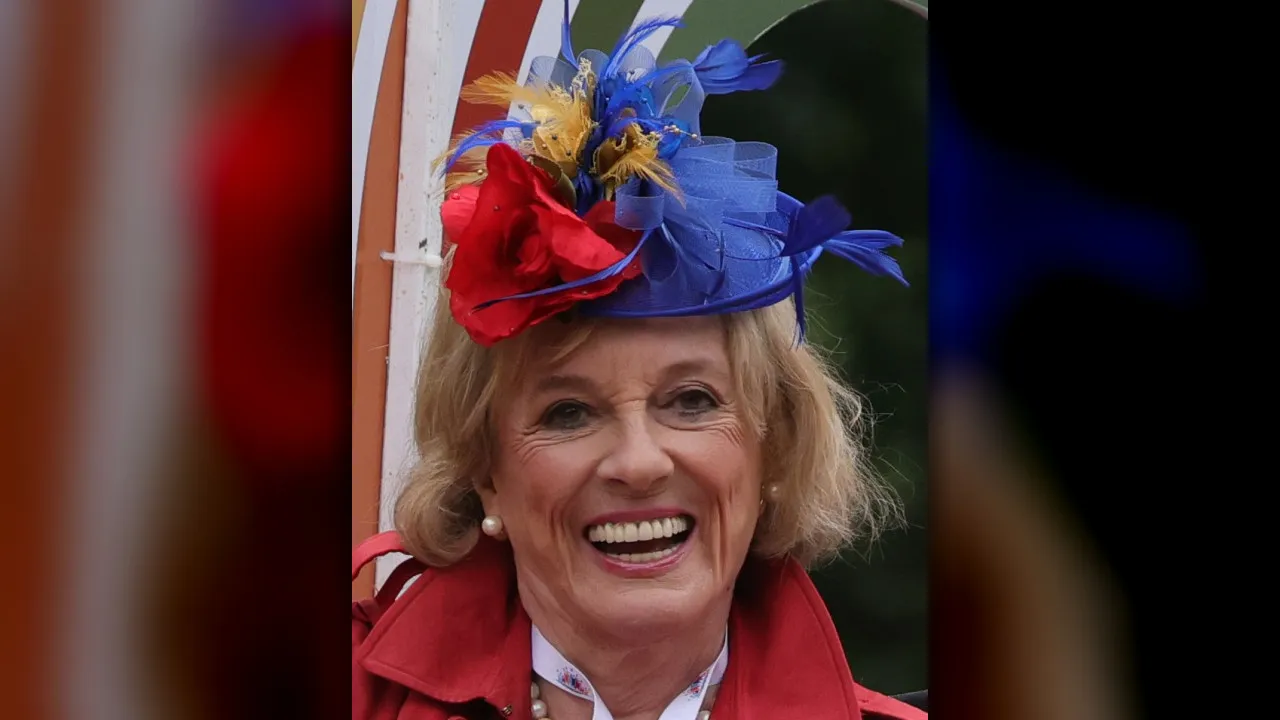
Dame Esther Rantzen, the broadcaster who became a household name on That’s Life! before founding Childline, has died at the age of 86 following a battle with lung cancer.
Her family confirmed her death in a joint statement, saying her “legacy of compassion and understanding” will live on through the charities she founded and in those “lucky enough to love and be loved by her.” They described her as the “most wonderful mother” and a “cherished grandmother”, remembered for her “endless capacity for joy,” according to the BBC and LBC. Her children said Rantzen died on 30 September.
From That’s Life! to Childline
Rantzen shot to fame in 1973 as host and producer of the BBC consumer programme That’s Life!, which ran for 21 series until 1994 and drew more than 20 million viewers at its peak.
She went on to front her own BBC talk show, Esther, appeared in the second series of Strictly Come Dancing, and was inducted into the Royal Television Society’s Hall of Fame in 1997.
Beyond the screen, Rantzen’s biggest legacy may be the charities she built. She founded Childline in 1986 to give children suffering abuse or neglect a confidential helpline, and later set up The Silver Line to help older people tackle loneliness and isolation.
A late-life campaign for assisted dying
Rantzen revealed in May 2023 that she had been diagnosed with stage four lung cancer, and later confirmed she had joined the Swiss assisted dying clinic Dignitas. She became one of the most prominent public voices calling for a change in the law, describing the UK’s current rules as “messy and cruel.”
In 2026 she said she had been forced to abandon plans to travel to Dignitas because she had become too frail to make the journey. “By the time life did become unbearable, I was too physically fragile to make the journey and go through the Dignitas process,” she said at the time, according to LBC.
MPs rejected a second bill to legalise assisted dying in England and Wales on 11 September, which Rantzen reportedly called “a tragic day.” Speaking to her daughter Rebecca Wilcox after the vote, she said: “I am sure a change in the law will come, I am deeply sad that it won’t come soon enough for many of the people who need it.”
Tributes pour in
Tributes have come from across public life. Andy Burnham said Rantzen “changed countless lives and gave a voice to people who often went unheard” through her decades of campaigning, adding that he would “always admire the characteristic courage and openness” with which she spoke about her illness.
Labour MP Kim Leadbeater, who worked with Rantzen on the assisted dying bill, called her “strong, warm” and a “fighter to the end.” Liberal Democrat leader Sir Ed Davey said she had helped millions of children through founding Childline, while former BBC One controller Michael Grade said: “I’ve lost a friend, and the nation has lost one of the great broadcasting pioneers.”
Childline’s director called her “an inspirational individual,” and charities praised what they called her “extraordinary legacy,” saying she had “used her platform to speak truth to power.”
In an earlier interview replayed by BBC Breakfast, Rantzen reflected on her own legacy: “I don’t expect to be remembered. When you stop appearing on television, people assume you’ve died.” For many, that legacy now lives on in the helplines she built and the debate over assisted dying she helped push to the top of the political agenda.