Nocturnal

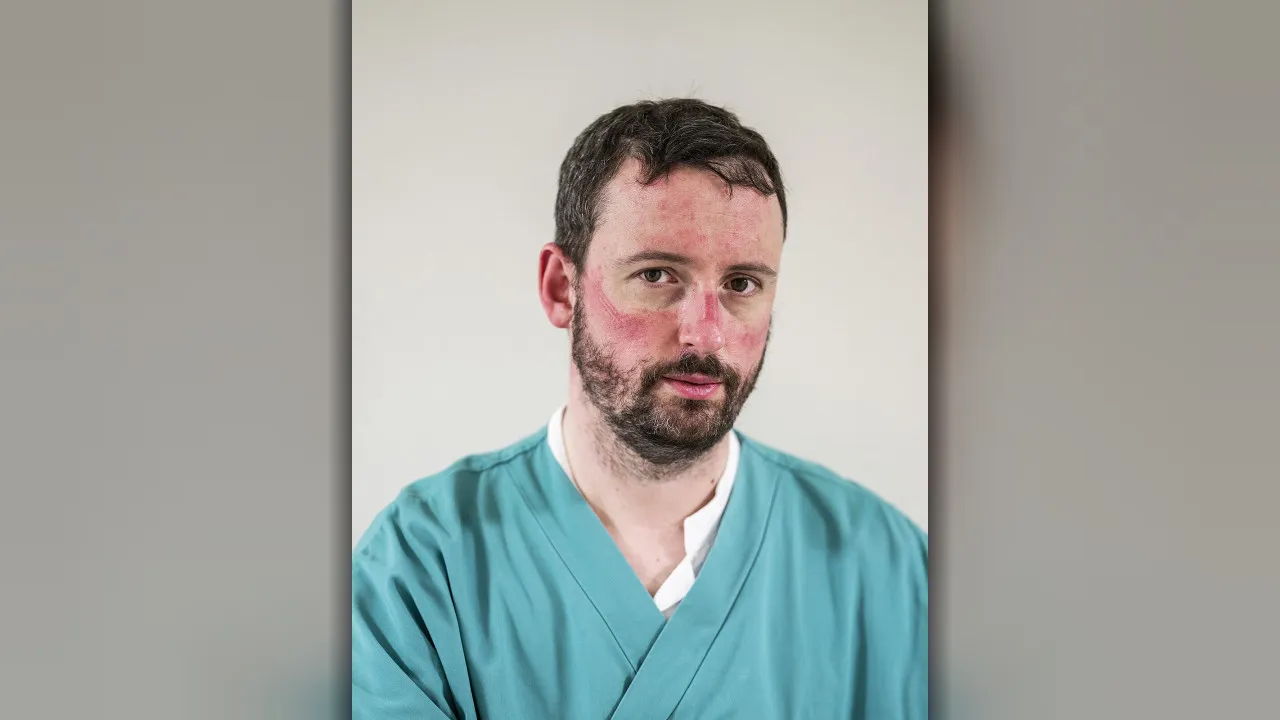
Hospital admissions for Covid-19 have jumped by 50 percent in the UK in just one week, according to the latest data from the UK Health Security Agency (UKHSA).
The rise is being driven by a strain known as XFG, which has been nicknamed “American Covid” after first being detected early last year before spreading across both the US and UK.
As first reported by LADbible, the number of positive hospital Covid tests has also climbed, going from 5.9 percent to 7 percent. The increase appears to be especially pronounced in London, where Covid-related hospital admissions reportedly jumped by nearly 80 percent in a single week, according to the Daily Mail.
The story has also been picked up by the Daily Express and the Independent, with “American Covid strain” becoming a major trending search term in the UK as people try to work out exactly what they might be dealing with this autumn.
What is ‘American Covid’?
XFG isn’t a brand new virus, but a variant of Covid-19 that has been circulating for some time. Despite the slightly alarming nickname, experts say there’s no need to panic.
Dr Matthew Siggins, a lecturer in immunity and infection biology at the University of Surrey, told the Daily Mail the increase in cases was “not unexpected at this time of year”, adding that the rise in admissions is “still classified as a baseline level”.
GP Dr Renée Hoenderkamp said the symptoms she’s commonly seeing with recent infections include sore throats, headaches, runny noses and fatigue, describing the strain as “very flu-like” with mostly mild symptoms for most people.
However, it’s not the same experience for everyone. Professor Emma Wall, a clinical professor of infectious diseases at Queen Mary University of London, explained that reactions to the virus can vary wildly from person to person.
“Some people will be floored by an infection while others remain asymptomatic, and we don’t yet completely understand the biology behind that,” she told the Daily Mail.
She added: “Some people have very effective T-cells that clear an infection before you know you’ve got it, while in others they can stimulate an inflammatory response to the infection that affects the whole body, which is probably part of what makes some people feel so ill.”
What should you do if you catch it?
The NHS advice for anyone who develops Covid symptoms, such as a high temperature or generally feeling too unwell to go about daily life, remains the same as it has for the past couple of years: try to stay at home and limit contact with others.
The NHS guidance states: “You can go back to your normal activities when you feel better or do not have a high temperature.”
For anyone who tests positive, the NHS recommends staying at home for five days after the test and avoiding contact with people who are more vulnerable to serious illness from infections, such as those with weakened immune systems, for 10 days.
Beyond that, the usual advice applies: get plenty of rest and keep an eye on symptoms, particularly if you fall into a higher-risk group.
Where things stand now
For now, the message from health experts is one of caution rather than alarm. While hospital admissions have risen sharply week-on-week, medics stress the numbers remain at what’s considered a baseline level for this time of year, with Covid increasingly behaving like other seasonal winter bugs rather than the emergency it once was.
[{“name”: “LADbible”, “url”: “https://www.ladbible.com/news/uk-news/experts-weigh-in-american-covid-wave-sweeping-through-uk-965062-20261002”}, {“name”: “The Independent on MSN”, “url”: “https://www.the-independent.com/bulletin/news/american-covid-stratus-symptoms-xfg-b3060565.html”}]
A stock image of a UK hospital ward or A&E corridor, or a person blowing their nose/feeling unwell at home, symbolising the Covid wave.
Hospital admissions for Covid have jumped 50% in a week in the UK, driven by a strain dubbed ‘American Covid’ – here’s what doctors want you to know.
true
Health/illness topic – factual and sourced to named doctors, no medical advice given beyond NHS official guidance. Low sensitivity but flagged as health-related content for monetisation review.
[“hospital ward UK”, “NHS hospital admissions”, “person with cold flu symptoms at home”, “UKHSA Covid data”, “winter illness UK”]
[“Confirm the 50% week-on-week rise figure and 5.9% to 7% positive test rate against the latest UKHSA bulletin, as exact dates/week-ending figures were not specified in the research.”, “Confirm the ~80% London admissions rise figure, which was attributed to the Daily Mail via LADbible rather than a primary UKHSA source.”, “Verify current booster/vaccination uptake figures if added, as the only booster data in research (Mirror) appeared to relate to a different/earlier wave.”]